

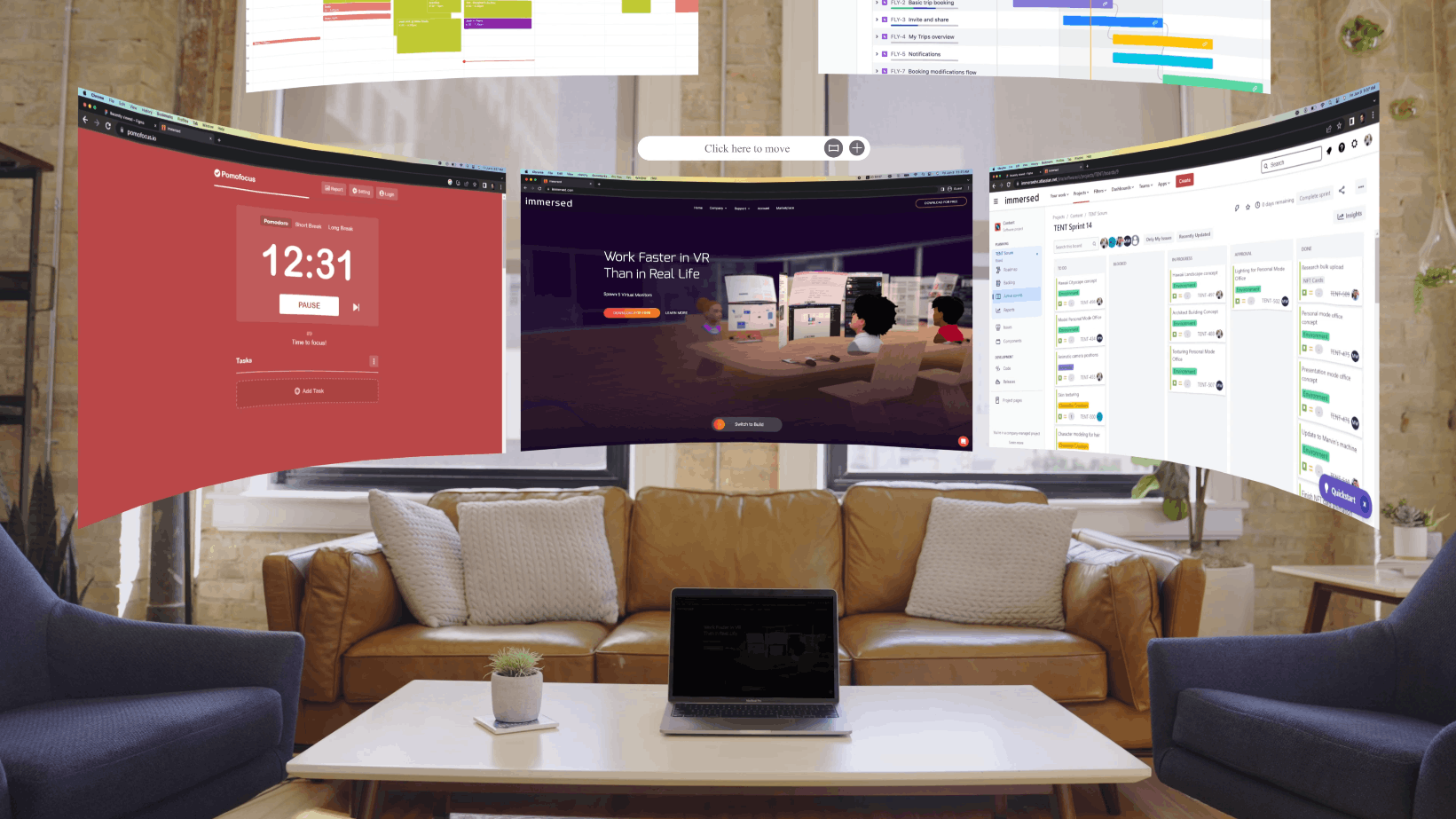
Apple's Vision Pro, a $3,500 device built to do everything, is being shelved by users after a few weeks, while a new class of XR startups with single-purpose devices is winning over Fortune 500 teams. History shows that focused challengers consistently outperform generalist incumbents in enterprise markets.
The Generalist Trap

The problem isn't the price, but the premise. In an enterprise world where productivity is measured in hours, not hours of use, the Vision Pro's ambition is its weakness. It does too much.
It wants to be the new computer, the new entertainment center, the new office. And in doing so, it fails to be any of them. Contrast that with a new class of extended reality (XR) startups.
These companies are building focused, single-purpose devices that solve specific problems. One such startup, Immersed, has 1.5 million users on its software platform, and a projection of $71 million in first-year hardware sales would validate a hardware business model that doesn't require subsidies. The difference is clarity.
When a device does one thing well, it becomes indispensable. When it tries to do everything, it becomes obsolete.
In the early days of computing, mainframes dominated the market. They were powerful, expensive, and complex. But they failed because they were too general.
They couldn't solve specific problems in a specific way. The PC won not by power, but by practicality. It did one thing well: it gave individuals access to computing power at a price they could afford.
The lesson is simple: in the enterprise world, utility beats ambition.
The Industrial Convergence
The next frontier is not just about individual devices. It's about systems.
A recent patent filing reveals plans for direct integration between SpaceX satellites and Tesla vehicles. This isn't just about internet access.
It's about creating a distributed ground network where autonomous data and connectivity merge. In other words, it's about turning millions of cars into mobile broadband nodes.

SpaceX's Starlink satellites provide global internet coverage. Tesla's vehicles are already equipped with advanced connectivity features. By combining these two assets, SpaceX is creating a network effect.
Each Tesla becomes a node in a global broadband network. The result is a focused utility: reliable, ubiquitous connectivity. The question is not whether this integration is possible, but whether it's inevitable.
For investors, the opportunity is obvious. SpaceX carries a $1.5 trillion valuation, and retail investors can now gain exposure. That number reflects the market's belief in the potential of this integration.
But the real value lies in the underlying infrastructure. By combining satellite and automotive technology, SpaceX is building a utility that will be used by millions.
It's an industrial play.
The Capital Allocation Shift

The democratization of pre-IPO access is changing the game. Regulation A+ and secondary markets are allowing retail investors to access private companies at an earlier stage.
This is a significant shift. In the past, early-stage investment was the domain of institutional investors. Now, it's within reach of the average investor.
Consider the returns from the past. Early investors in Amazon turned $10,000 into over $30 million. Pre-IPO backers of Google saw returns exceeding 10,000%.
These were once-in-a-generation opportunities. Now, those opportunities are available to a broader audience.
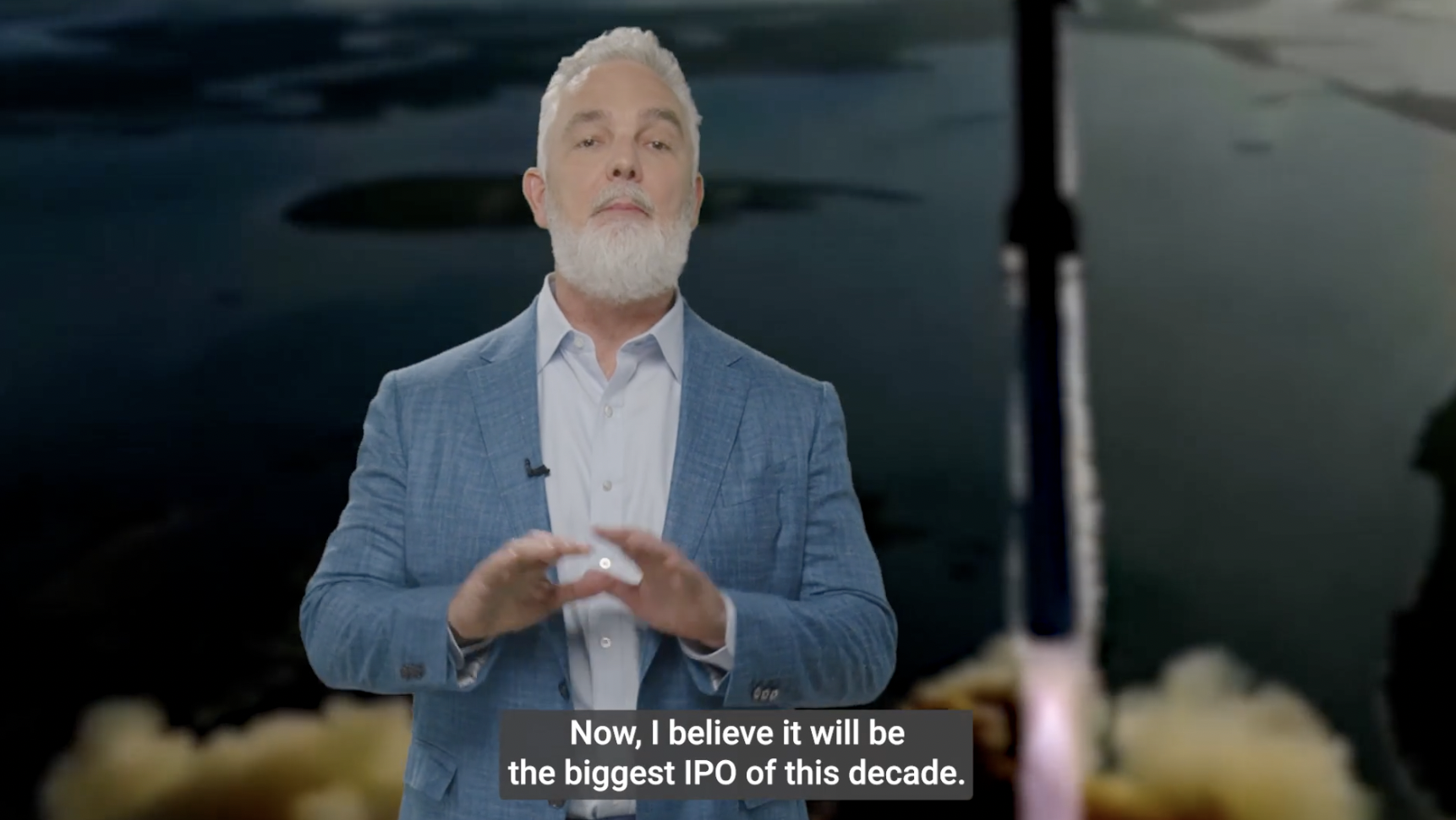
The current landscape is different. Retail access to SpaceX is possible through fractional shares and pre-IPO ETFs starting at $500. The IPO is pricing the convergence of Musk's entire technology ecosystem into a single investable entity.
The question is whether this valuation is justified. The answer lies in the utility of the integration. If SpaceX can deliver on its promise of ubiquitous connectivity, the valuation is justified.
If not, the risk is enormous.
The Valuation Reality Check
The critical question is what SpaceX must deliver operationally to meet those expectations. The market is pricing in a future where autonomous data and connectivity are seamlessly integrated.
The reality is more complex. The integration of SpaceX satellites and Tesla vehicles is just the beginning. The true value will be realized when this network becomes a utility used by millions.
The more people who use Tesla vehicles with Starlink connectivity, the more valuable the network becomes. The scale is what separates this from prior technology shifts, including the PC-mainframe transition. The integration could grow to millions of vehicles, and the valuation reflects this potential.
Infrastructure Over Ecosystems
The era of betting on 'ecosystems' is ending. The next decade belongs to 'infrastructure' and 'utility.' Informed positioning means looking past the headline valuation to the underlying user dependency and operational focus.
The companies that will generate real wealth are not the ones with the most features, but the ones with the most focused utility. The reader's task is not to chase the next hype cycle, but to recognize the structural reality that has already begun.
If this framework changes how you evaluate your next investment, share this with someone still chasing the 'do everything' hype.
|
Stay ahead of the current - subscribe free
Subscribe to Whales Investing
|
