

Look, the mainstream talking heads on CNBC are finally waking up to what we’ve known for eighteen months. They’re calling it a "rebound." I call it a forced evacuation. Between 2021 and 2024, the IPO market didn’t just slow down; it collapsed. We went from 397 listings to a pathetic 202. That wasn't a "cooling off" period - it was a pressure cooker.
According to the latest intelligence, 2025 saw the pressure start to vent, with 23 billion-dollar listings doubling the total valuations from the previous year. But that was just the appetizer. 2026 is the main course. We’re looking at a historic backlog of venture-backed companies that are being "starved" into going public. They can’t hide in the private markets anymore. The VCs want their pound of flesh, and the only way to get it is to dump these assets onto the public. While the herd thinks this is "growth," the smart money knows it’s a massive liquidity event designed to let the early insiders exit while the retail crowd provides the "exit liquidity."

The Trillion-Dollar AI Bribe: OpenAI and the Databricks Power Grab
Let’s talk about "bribes." In this world, we don't call them incentives; we call them fundraises. OpenAI is reportedly looking to raise $100 billion just to keep the lights on and the GPUs humming before a late 2026 IPO. Think about that. $100 billion. That isn't a "startup" move; that’s a sovereign nation move. They’re positioning themselves as the new infrastructure of the global economy.
Then you’ve got Databricks. They just hit a $134 billion valuation after their Series L. They’ve spent years quietly vacuuming up enterprise data from the likes of HSBC and Shell. While the retail crowd was busy playing with chatbots, Databricks was building the pipes. They are the prime candidate for 2026 because they actually have something the others don't: predictable, boring, institutional revenue.
The narrative being spun is that "AI-driven growth dominates the market." The reality? It’s a resource war. These companies are going public because the cost of remaining private - and the cost of the compute power they need - has become unsustainable. They need your capital to fund their survival. If you’re not careful, you’re just paying for their next server farm.
The Mars Multiplier: Musk’s $1.25 Trillion Shadow Empire
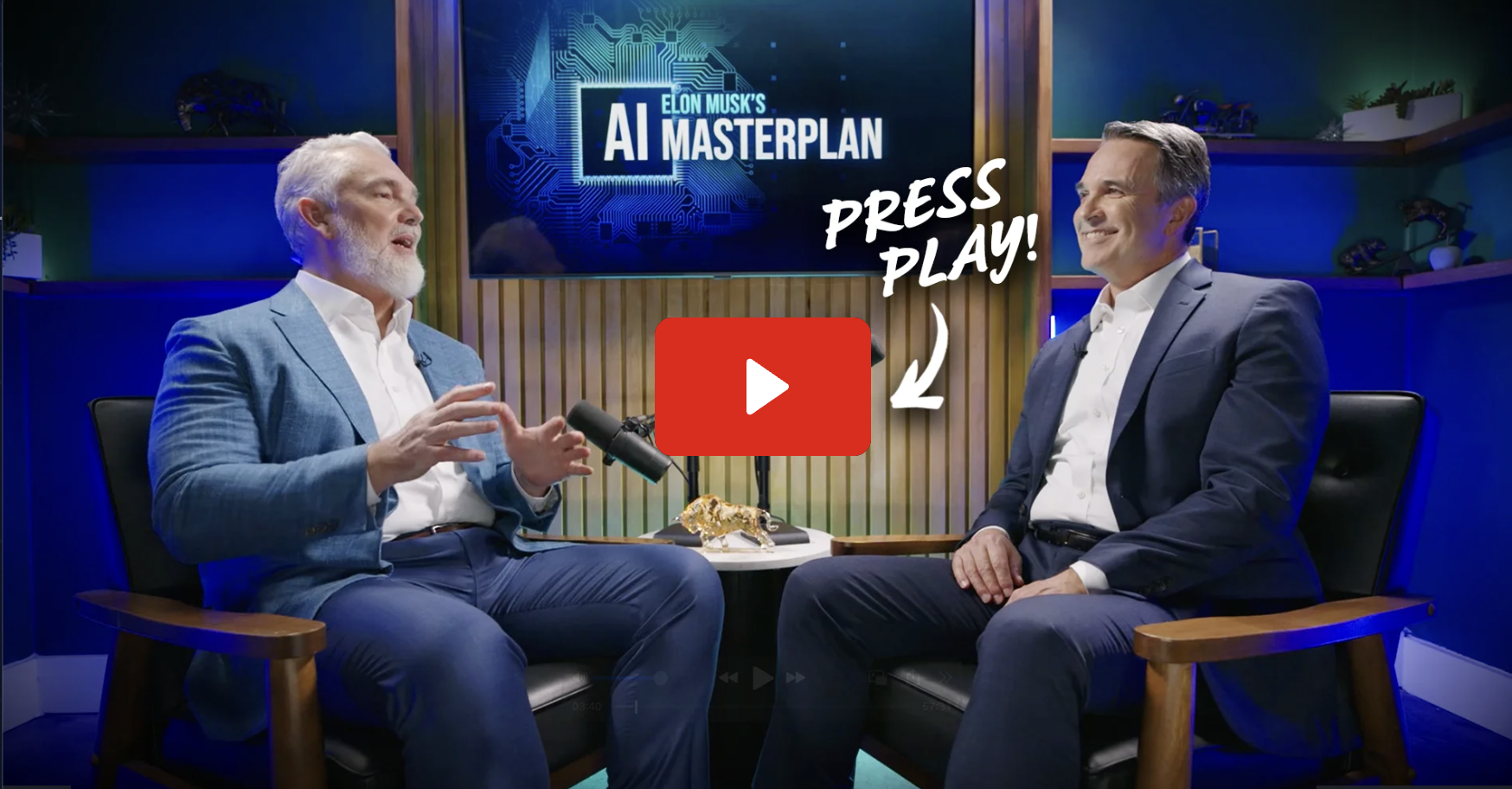
$1.25 trillion. That’s the number. Following the xAI acquisition, SpaceX isn't just a rocket company anymore. It’s a data company, a defense contractor, and a global telecommunications monopoly rolled into one. The crown jewel? Starlink.

The intelligence shows Starlink pulled in $10 billion in revenue in 2025. That’s not "speculative." That’s real money from real subscribers. Starlink alone is valued near $1 trillion. When Musk takes this public, it won't just be an IPO; it will be a monetary regime change. This is the kind of "Institutional Accumulation" that changes the game for a generation.
Morgan Stanley and Goldman are already circling like sharks. Why? Because they know the index-driven flows will be astronomical. When a company this size hits the market, every pension fund, every ETF, and every "passive" investor is forced to buy it to maintain their benchmarks. They don't have a choice. We do. We see the move before the "herd" is herded into the pen.
Benchmarking the New World Order: The MSCI Siphon
Close-up on a stack of MSCI research papers. The tone is dry, but the implications are violent. "Megacap IPOs in 2026 could reshape global equity benchmarks."
Translation: The giants are about to rewrite the rules of who wins and who loses.
When you have a wave of IPOs ranging from $50 billion to $1 trillion, it creates a "turnover effect." Billions of dollars in index-driven flows will have to exit "old" industries - think manufacturing and traditional retail - to make room for the new AI and aerospace titans. This isn't just "market activity." It’s a massive, systemic reallocation of wealth.
The U.S. market weight is going to surge. Sector exposures are going to shift toward application software and defense. If you’re holding a "balanced" portfolio based on 2020 logic, you’re about to get steamrolled by the index rebalancing. The Whales are already positioning for this "meaningful turnover." We’re selling the laggards to the herd and buying the future before the index funds are allowed to touch it.
The Retail Trap and the Whale’s Exit: Kraken, Canva, and the Final Sweep
Kraken is filing confidentially. Canva is pivoting from a consumer toy to an enterprise platform with a $42 billion valuation. These are the "exit" signs for the venture capitalists who have been trapped in these positions for years. They’ve integrated AI not because they necessarily believe in it, but because it’s the "narrative" that sells in 2026.
Market conditions are favorable right now, but here’s the dirty secret: volatility in early 2026 could slam the IPO window shut in a heartbeat. If you’re waiting for the "official" word to move, you’re already too late. The Whales are accumulating now, in the shadow liquidity, while the herd waits for the opening bell.
Ray Dalio: "The S&P Fell 28% Last Year." Wait, What?

He's measuring in gold, not dollars. And that's the point.
The dollar dropped 10% in 2025. So, yeah, your portfolio went up in dollars, but, Dalio says your real return isn’t so exciting.
And the decline is reportedly advancing as macro conditions don’t improve.
So, what investments offer protection against that currency risk?
Well.. billionaires have an answer. And now 70,819 everyday investors have joined in.
This unexpected asset class outpaced the S&P 500 overall with low correlation since 1995.*
Not real estate or PE. Post war and contemporary art. Seriously.
Plus– Art trades globally ;)
And now, you don’t need to be a billionaire–
Masterworks makes it easy to FRACTIONALLY invest in blue-chip art, with a track record of 26 net annualized returns like 14.6%, 17.6%, and 17.8% on works held over a year.
See why investors moved $1.3 billion into 500+ offerings:
*According to Masterworks data. Investing involves risk. Past performance not indicative of future returns. See important disclosures at masterworks.com/cd.
|
Stay ahead of the current - subscribe free
Subscribe to Whales Investing
|
