

The Shift to Fiscal Dominance

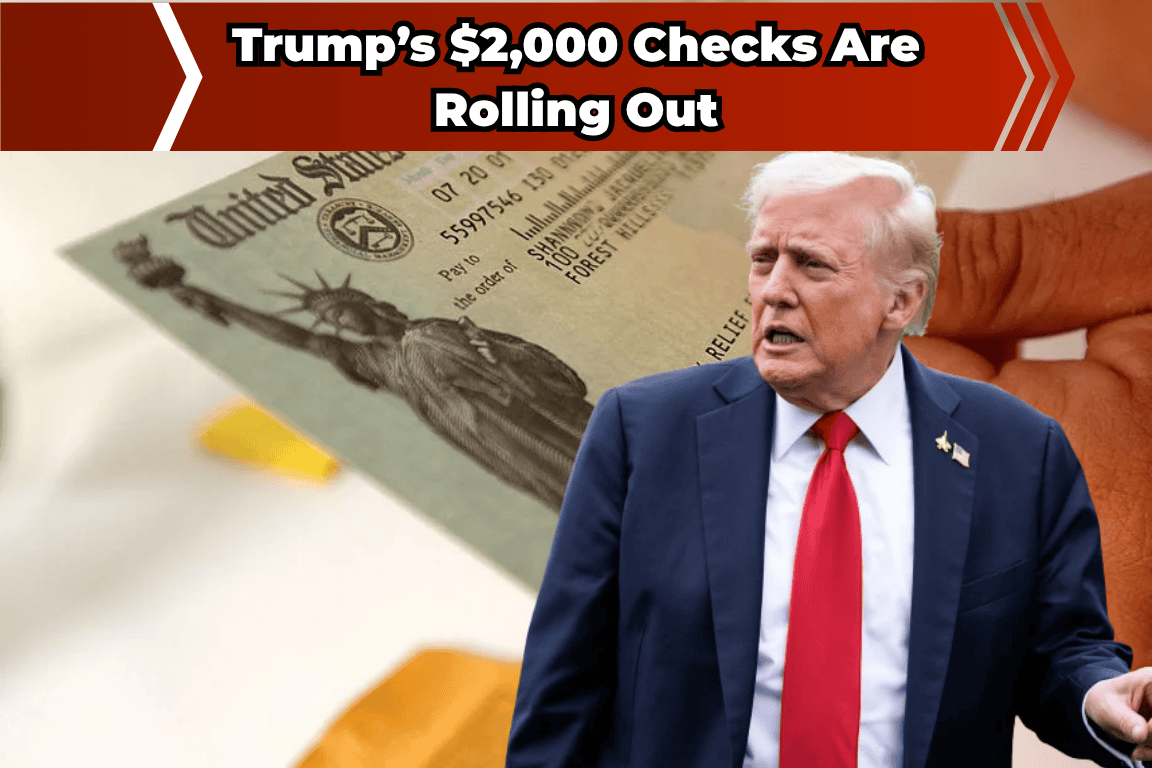
For the last 40 years, investors have been trained to watch one thing: The Federal Reserve. If the Fed cut rates, you bought. If they raised rates, you sold. This was the era of "Monetary Dominance." But insiders know that the game board has just been flipped. The announcement of direct $2,000 checks signals the aggressive arrival of Fiscal Dominance.
In a Fiscal Dominance regime, the Central Bank takes a backseat to the Treasury and Executive policy. Money isn't just made cheaper to borrow; it is directly injected into the economy to force activity. This creates a completely different set of winners and losers.
Standard "recency bias" leads retail investors to think this is just another COVID-style stimulus. It is not. That was emergency life-support. This is "Restoration" - a deliberate strategy to alter the velocity of money. When the government bypasses the bond market and the banking intermediaries to put capital directly into the hands of the populace, they are effectively choosing which fires to start.
For the Whale, this means the old correlation models are broken. We are no longer looking for "growth at any cost." We are looking for Policy Beta - assets that are mathematically aligned with the government's restoration goals. If the goal is to restore the "American Dream," capital will be forced into domestic production, housing, and energy. The check is the fuel; these sectors are the engine.
If you are still investing like it’s 2021 - chasing unprofitable tech or purely speculative assets - you are fighting the new current. The flow of funds is now political, direct, and physical.
The Cantillon Effect and Asymmetric Upside

The most important economic concept you won't hear on the news is the Cantillon Effect. It states simply: Money is not neutral. Who gets the new money first benefits the most, while those who get it last suffer from the resulting price increases.
In a traditional banking stimulus, Wall Street gets the money first (via Repo markets and QE). In this "Restoration" phase, the mechanism is inverted. The money hits the consumer and the "Real Economy" first. This sounds populist, but let’s look at the second-order effects.
When millions of checks hit bank accounts simultaneously, that liquidity seeks a home. It doesn't stay in the checking account (where it earns nothing). It flows immediately into consumption and debt repayment. This creates a massive, short-term revenue spike for companies that provide Essential Hard Goods and Domestic Services.
The "Whale" strategy here is to own the companies that stand at the receiving end of this cash flow before the revenue hits their earnings reports. We are looking for the "aggregators" - the retailers, the material suppliers, and the domestic energy producers who will absorb this liquidity.
Furthermore, this "Restoration" implies a move away from financial engineering (buybacks, derivatives) toward Tangible Value. In a world where money is being printed to "restore" a standard of living, the things that define that standard of living (homes, land, commodities, energy) become the hardest assets.
The $2,000 check is effectively a devaluation of the currency unit against these hard assets. By taking the check and buying "Restoration" assets, you are engaging in a form of arbitrage. You are trading a depreciating political token (cash) for an appreciating structural asset. This is the core of the "Phase One" preparation mentioned in the promo.
Regulatory Moats and the "Protected" Class

The final piece of the puzzle lies in Regulation as an Asset Class. The "Restoration of the American Dream" is not just about spending; it's about protectionism. The narrative suggests a return to a fortress economy - tariffs, subsidies for domestic industry, and penalties for outsourcing.
This creates a "Moat." Companies that operate within the domestic sphere are effectively being given a government-sanctioned monopoly on the new liquidity.
If you look at the "Restoration Plan," it likely involves incentives for bringing supply chains home. Therefore, the "Winners" of 2026 are not the globalist multinationals with exposure to foreign labor markets. The winners are the boring, heavy-industry domestic players: Steel, Concrete, Domestic Oil & Gas, and Regional Banking.
These are the "Protected Classes." The $2,000 checks will inevitably cycle through these industries.
The check pays for gas (Energy).
The check pays for home repair (Materials).
The check pays down a loan (Regional Banks).
The market hasn't fully priced this in yet. It is still obsessed with AI and software. But the "Restoration" trade is a Physical Trade. It is a bet that the government is about to make it very profitable to be a domestic producer and very expensive to be a foreign importer.
"Phase One" is the liquidity. "Phase Two" is the realization that we don't have enough stuff to buy with that liquidity. This leads to a supply squeeze in tangible goods. By positioning now - following the insights from the restoration blueprint - you are effectively front-running the inevitable supply shock. Don't look at the check as $2,000. Look at it as a voucher for a seat on the life raft of the new economy.
|
Sponsored Content
Top Picks from Partners We Trust
|
Conclusion
The $2,000 check is a trojan horse for a new economic operating system. We are moving from Monetary Theory to Fiscal Reality. The "Restoration" trade isn't about chasing the hot stock of the day; it's about positioning in the Hard Assets and Domestic Industries that will absorb this massive liquidity injection. The signal has been fired. Capture the flow before the market prices in the inflation.
|
Stay ahead of the current - subscribe free
Subscribe to Whales Investing
|
