

Hello, friend. Welcome back. You might feel a little overwhelmed by the news this week. Interest rates are shifting. World tensions are rising. Washington is issuing new orders. It feels like the financial world is spinning fast.
But take a deep breath. That is exactly why we are sitting down today.
My goal is to help you look past the loud headlines. We will skip the scary money jargon. We will look at how "big money" flows through the system. More importantly, we will see what it means for your peace of mind.
Two massive events took place this week. They will shape the economy for the rest of 2026. First, on March 18, the Federal Reserve made a big choice on interest rates. Global oil prices drove this move. Second, on March 16, the President signed a major order. It launched a federal task force to look at state benefit programs. This is already sending ripples through the market.
At first glance, Fed policy and fraud teams seem unrelated. But in the big picture, everything connects. We will break down both events using plain English. We will use simple examples. No hype. No fear. Just the facts and a clear map of the road ahead. Grab your coffee, and let’s dive in.
The Fed Keeps Its Foot on the Brake

Let’s start with the Federal Reserve. On March 18, 2026, the Fed wrapped up its big meeting. The big news? They decided to hold interest rates steady. Rates will stay at 3.50%–3.75%.
Rewind the clock to late 2025. The market expected the Fed to cut rates two or three times this year. But things have changed a lot. The Fed’s internal forecast is called the "dot plot." It now shows just one rate cut in 2026. In fact, seven Fed officials do not expect any cuts this year. Wall Street calls this the "higher for longer" plan.
Why did they change their minds so fast?
Think of it like this: Imagine the economy is a huge highway. The Federal Reserve is driving the pace car. Interest rates are the brakes. The Fed wanted to ease off the brakes. They wanted to cut rates to let traffic flow faster. But suddenly, there is a large patch of ice on the road. That "ice" is the price of oil.
A conflict broke out in late February. It involves Iran, Israel, and the US. Because of this, oil prices spiked to $103 per barrel. Expensive oil makes everything else cost more. It raises costs for making goods. It makes shipping more expensive. It even hikes prices at your local grocery store. The Fed had to raise its 2026 inflation forecast to 2.7%. Energy costs are pushing inflation up again. So, the Fed cannot take its foot off the brake just yet.
What does this mean for you? What does it mean for the "whales"? (Whales are massive pension funds and big banks).
It means we are in a rare, high-yield moment. The Fed held rates steady. Then, the 10-year U.S. Treasury yield surged to 4.39%. This yield is the baseline interest rate for global finance.
The Whale Strategy: Big investors see that 4.40% to 4.50% range. They view it as a once-in-a-lifetime chance. They are rushing to buy these bonds. They want to lock in guaranteed, long-term income. They are doing this before rates eventually fall.
The Risk Factor: Goldman Sachs just issued a warning. Oil might stay above $100 a barrel. This is due to shipping issues in the Middle East. If so, the 10-year yield could hit 4.75%. When yields go up, the value of older bonds goes down in the short term.
The key takeaway here is simple: You have a window to earn high interest. This applies to cash savings, CDs, and short-term bonds. This window is staying open longer than expected. Global oil prices have tied the Fed’s hands. This means everyday savers still get great yields.
The "Policy Cliff" and the Upcoming Driver Swap

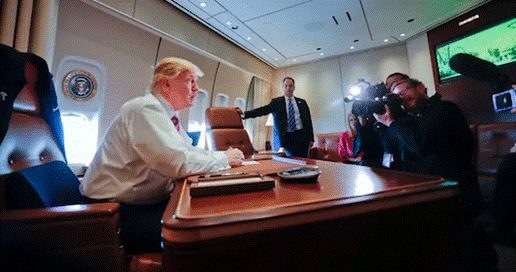
The oil shock is keeping rates high right now. But another massive story is unfolding at the Fed. Income investors need to watch it closely. A major leadership change is coming in a few months. Analysts call this a "policy cliff."
Here is the situation. Current Fed Chair Jerome Powell’s term ends in May 2026. President Trump has picked the next Chair. His name is Kevin Warsh.
Here is the "Aha!" Translation: Imagine you are in that pace car again. You are driving on a tricky, icy curve. The ice is high oil prices and inflation. Right in the middle of this curve, the drivers will swap. Powell is the current driver. He wants to fight inflation by keeping rates high. Warsh is the new driver. He usually prefers lower interest rates. He wants to boost business growth.
This creates tension in the markets. Right now, the Fed is holding rates steady. They want to fight oil-driven inflation. But in May, a new leader takes the wheel. He might prefer lower rates. Investors think Warsh will try to force rate cuts. This goes against the current Fed's plan.
This May change is looming. Because of it, smart investors are acting now. They are locking in those 3.5%+ yields today. They know the new Fed Chair might push rates down by summer.
The real economy adds to this complex picture. Let's look at the job market.
The job market is "flashing yellow." It is giving us mixed signals. In January, the economy added 126,000 jobs. That was a big surprise. But in February, the market lost 92,000 jobs. These wild swings tell us something important. The economy is starting to cool down. It is feeling the weight of high interest rates.
Normally, losing 90,000 jobs would cause panic. The Fed would cut rates right away to save the economy. But remember that patch of ice? Oil is at $103 a barrel. So, the Fed is trapped. They must keep rates high to fight inflation. They have to do this even as the job market wobbles.
What this means for you: This split picture creates a great window for you. It is temporary, but it is real. You are getting a "risk-free" bonus right now. You earn high interest rates. Usually, you only get these rates in a booming economy. But our economy is actually slowing down. It is a rare moment. The stress of the world is actually helping your savings account.
The New Task Force: Auditing the State Expense Accounts
Now, let’s shift gears. Let's move from Fed policy to White House policy. Another big event happened this week. It will directly impact certain parts of the economy.
On March 16, 2026, President Trump signed a new order. He created the National Benefits Fraud Task Force. Vice President JD Vance will lead this group as the "Fraud Czar."
Why does this matter to investors? We have to look past the politics. We must focus on how money moves. We need to see how cash flows from Washington to the states.
Think of it like this: Imagine a massive company. The headquarters is the federal government. They give large expense accounts to branch managers. The branch managers are the states. They use the money for local healthcare and childcare. Suddenly, the CEO thinks some branches are wasting money. So, he hires a strict new accounting firm. He gives them a 90-day deadline. They must audit the biggest spenders. If they find issues, they will freeze the corporate cards.
That is exactly what this new order does. The White House said the task force will focus on "Blue" states. They claim these states have poor oversight. They released a specific list of targets. The list includes California, Illinois, New York, Maine, and Colorado.
But the main target of this crackdown is Minnesota.
The President made a big claim during the signing. He said Minnesota taxpayers lost up to $19 billion to fraud. (Former U.S. Attorney Joe Thompson guessed it was closer to $9 billion last year). The White House is using the $19 billion number to justify a massive surge. They publicly targeted Minnesota leaders. This includes Governor Tim Walz, Attorney General Keith Ellison, and Representative Ilhan Omar. The White House claims they allowed fraud in local childcare and autism centers.
This is not just a committee writing a report. It is an 11-agency team. It includes the Department of Justice (DOJ) and Homeland Security (DHS). It also includes Health and Human Services (HHS) and the Treasury. Andrew Ferguson is the Chair of the Federal Trade Commission (FTC). He was named Vice Chair of this team. This means consumer protection laws will be used to shut down accused groups.
This task force is a major shift in federal strategy. The White House is ending "Operation Metro Surge." That was a physical immigration crackdown in Minnesota. Now, they are moving resources away from physical enforcement. They are focusing on financial and benefit enforcement instead.
The task force has a 90-day deadline. They must deliver a full plan to break up these networks. For the markets, a 90-day clock means rapid action. We will see aggressive moves very soon. This could disrupt funding for major state social programs.

The Ripple Effects on State Bonds and Healthcare

So, how does a fraud task force impact the financial markets?
As investors, we must look past the political anger. We must focus purely on the money. Governor Tim Walz called these moves a "campaign of revenge." You might view this as needed oversight. Or, you might see it as politics. Either way, the financial reality is the same. Federal funds are being restricted right now.
We have already seen the first warning shot. In February 2026, Vice President JD Vance froze funds. He stopped more than $250 million in Medicaid funding for Minnesota. He cited a lack of anti-fraud rules.
A quarter of a billion dollars stopped flowing into a state’s healthcare system. This creates instant, local economic shockwaves. Hospitals and clinics rely on that steady cash. Social service and childcare centers need it too. Suddenly, their cash flow is cut off.
For the everyday investor, this creates specific risks and chances:
State-Funded Sectors: You might be invested in regional healthcare or childcare companies. They might rely on state contracts in places like California, New York, or Minnesota. If so, prepare for a bumpy ride. This 11-agency team will audit them over the next 90 days. We will likely see more funding freezes. This can hit the profits of these local providers hard.
Municipal Bonds: Municipal bonds are loans. Investors make them to local governments for public projects. Usually, they are very safe. But what if a state loses its federal funding? The state has to make up the difference from its own budget. This creates higher risk for bonds in these targeted states. Investors might demand higher interest rates to lend money there. They will want a bonus for the extra risk during these audits.
The Big Picture: Finally, there is a massive economic story at play. The President spoke during the March 16 signing. He said finding "half the fraud" would balance the budget. The White House sees this task force as a main tool for their money policy. They are betting that strict audits will pay for federal spending.
For us, the takeaway is clear. Federal oversight is being used against specific state programs. This is no longer just campaign talk. It is an active policy with a 90-day clock. Expect to see major friction between Washington and these states soon. Expect that friction to show up on the balance sheets of local healthcare providers.
Your Stress-Free Action Plan
We covered a lot of ground today. We went from global oil shocks to federal audits. When the headlines scream, it is easy to feel panic. You might feel the urge to make sudden changes to your portfolio. But my advice is always the same. Stay calm. Stay informed. Focus on what you can control.
Let’s review the big picture:
The Income Window is Open: Oil is at $103. The Fed is holding rates at 3.50%–3.75%. Because of this, you are still getting paid a premium on your cash and bonds.
The May Transition: Kevin Warsh will take over the Fed in May. Big investors are locking in 4.39% Treasury yields right now. It is a great time to review your own CDs and bonds. Make sure you capture these high rates before the new Chair pushes them down.
Local Ups and Downs: The new fraud task force will create turbulence. It will hit healthcare and social services in states like California, New York, and Minnesota. Do you hold municipal bonds or local healthcare stocks in these areas? Just be aware. The next 90 days could be a bumpy ride as funding gets audited.
You do not need to panic. You do not need to predict the future. You just need to understand how things work right now. The "big money" is moving with a plan. They are locking in yields. They are avoiding targeted political sectors. You can understand why they make these moves. Then, you can protect your own wealth with confidence.
Until next time, keep your focus on the long term. I will be right here to help you navigate whatever comes next.
|
Stay ahead of the current - subscribe free
Subscribe to Whales Investing
|
