

There's a valuation disconnect happening at the top of the private market that's about to force retail investors into a critical decision point. SpaceX generated an estimated $8 billion in profit in 2025 while remaining entirely private, yet retail investors are being offered shares in similar private companies for under a dollar before the public market even opens. The gap between private operational dominance and public market valuation is widening, creating a risk asymmetry that could reshape how private market entry is evaluated.
The contrast between SpaceX's $15 billion revenue and the sub-dollar entry points available to retail investors reveals a fundamental shift in how private companies are being valued. Traditional public company reporting standards no longer apply to private giants like SpaceX, which operate with a different scale of cash flow and capital requirements. This divergence in valuation metrics is creating a new risk profile for those buying in through pre-IPO channels.
The regulatory framework surrounding private market entry is also changing rapidly. Companies like Immersed are offering pre-IPO shares to retail investors through Regulation A+ offerings, allowing access to private companies at discounted entry points before the actual public liquidity event. This structure introduces unique risks related to illiquidity and dilution that investors must carefully consider.
Private Empire Data: Operational Scale Beyond Public Scrutiny

SpaceX's financial performance demonstrates the operational scale that private companies can achieve without public market scrutiny. The company generated an estimated $15 billion in revenue and $8 billion in profit in 2025, with its Starlink division serving over 9 million subscribers across 100+ countries. These metrics far exceed the revenue targets of many public companies, yet SpaceX continues to operate under private ownership.
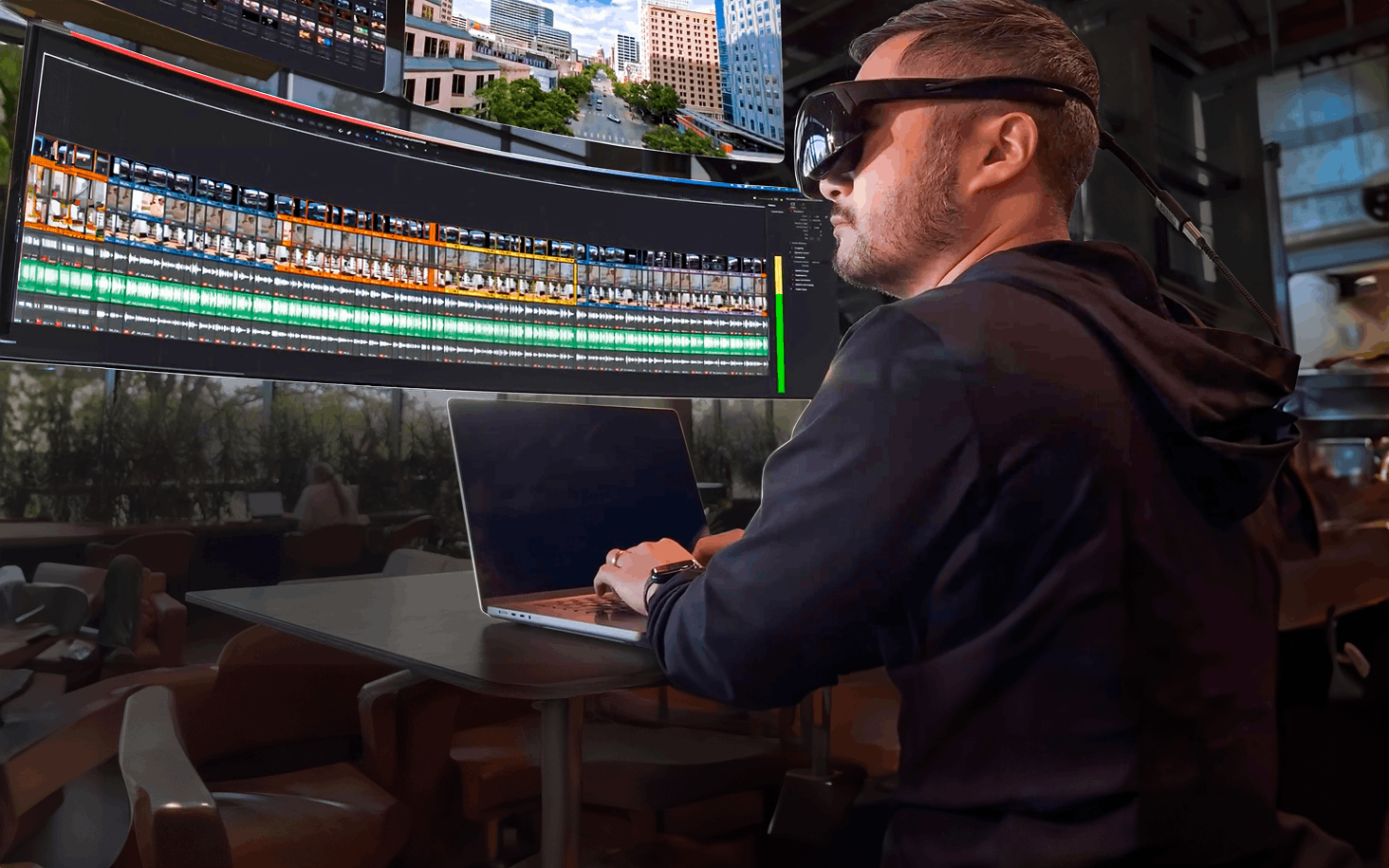
Immersed's user engagement data further illustrates the operational dominance of private companies. The company has 1.5 million users logging 40- to 60-hour workweeks inside its virtual environment, with partnerships including Meta, Google, Intel, and Qualcomm. This level of user engagement is rare in the public market, where companies often struggle to maintain consistent user activity.
The contrast between private and public reporting standards becomes evident when examining these metrics. Public companies must adhere to standardized financial reporting, while private companies like SpaceX and Immersed can operate with different capital requirements and cash flow dynamics.
The Retail Access Point: Regulation A+ and Illiquidity
The entry point for retail investors in private companies is structured through Regulation A+ offerings, which allow shares to be offered for under a dollar. This pricing strategy is designed to attract a broad base of investors before the actual public liquidity event. However, the mechanics of these offerings introduce specific risks that investors must understand.
The concept of a "reserved Nasdaq ticker" is central to these offerings. It indicates that the company has secured a listing on a major exchange, creating a perception of future liquidity. However, this perception does not guarantee immediate trading once the IPO occurs.
The gap between the reserved ticker and actual trading can create a period of illiquidity for early investors. The risk of dilution is another critical factor. Regulation A+ offerings often include provisions that allow the company to issue additional shares, which can dilute the ownership percentage of early investors.
This dilution risk is compounded by the fact that private companies operate under different capital structures, which can shift the total share count available once public trading begins.

The IPO Catalyst and the Valuation Gap

But here is what the headlines ignore: these companies are already cash-generating empires that do not need public capital for survival, only for expansion. Despite SpaceX's strong cash flow, the decision to go public is driven by the need to fund orbital AI data centers and expand its operations.
This funding requirement creates a valuation gap between the private company's operational metrics and the public market's expected valuation. SpaceX's private ownership allows it to operate with a different financial structure, which can affect its valuation once it goes public.
The transition from private to public ownership introduces new risks related to market expectations and investor sentiment. The regulatory environment surrounding the IPO is another factor that affects the valuation gap. The changes in 2026 that made SpaceX's IPO logical highlight the evolving nature of private market entry.
These changes create a dynamic environment where the valuation gap can widen or narrow rapidly based on market conditions and regulatory developments.
Three Market Scenarios: The Week Ahead
The week ahead presents three potential scenarios for investors tracking private market entries. The first scenario involves the timing of SpaceX's IPO filing, which is expected as early as this month, giving the public its first official look at the financials behind the world's most valuable private company.
The prospectus will disclose Starlink's subscriber economics, xAI's burn rate, the orbital data center roadmap, and how SpaceX plans to use IPO proceeds. Filing delays due to valuation complexity would affect the liquidity timeline for early investors. The second scenario focuses on the demand for Immersed's pre-IPO shares.
The company's virtual environment and partnerships with major tech firms could drive investor interest. However, the demand may not be enough to offset the risks of illiquidity and dilution. The actual trading price once the IPO occurs will determine the success of these pre-IPO investments.
The third scenario involves potential regulatory tightening on Regulation A+ disclosures. As the private market becomes more attractive, scrutiny over offering terms and investor protections may increase. This tightening could affect the availability of pre-IPO shares and the overall risk calculus for retail participants.
The Risk/Rebalance Dilemma
The implications of these scenarios for retail investors are significant. The valuation gap between private companies like SpaceX and the public market creates a unique risk profile that must be carefully managed.
The potential for illiquidity and dilution is a key factor. Early investors in pre-IPO offerings must understand that their shares may not trade immediately once the IPO occurs. The dilution risk further complicates this scenario, as a company's capital requirements can reshape ownership stakes before shares ever reach an exchange.
|
Stay ahead of the current - subscribe free
Subscribe to Whales Investing
|
